10 Essential Japanese Jazz albums everyone should hear at least once.

Japanese jazz is fascinating because it approaches the genre with a unique balance of technical precision, emotional subtlety, and atmosphere. Influenced by American jazz, but shaped by Japanese aesthetics, many recordings from the 70s and 80s developed their own unmistakable character: warm analogue sound, careful musicianship, and an almost cinematic sense of space.
Ryo Fukui – Scenery (1976)
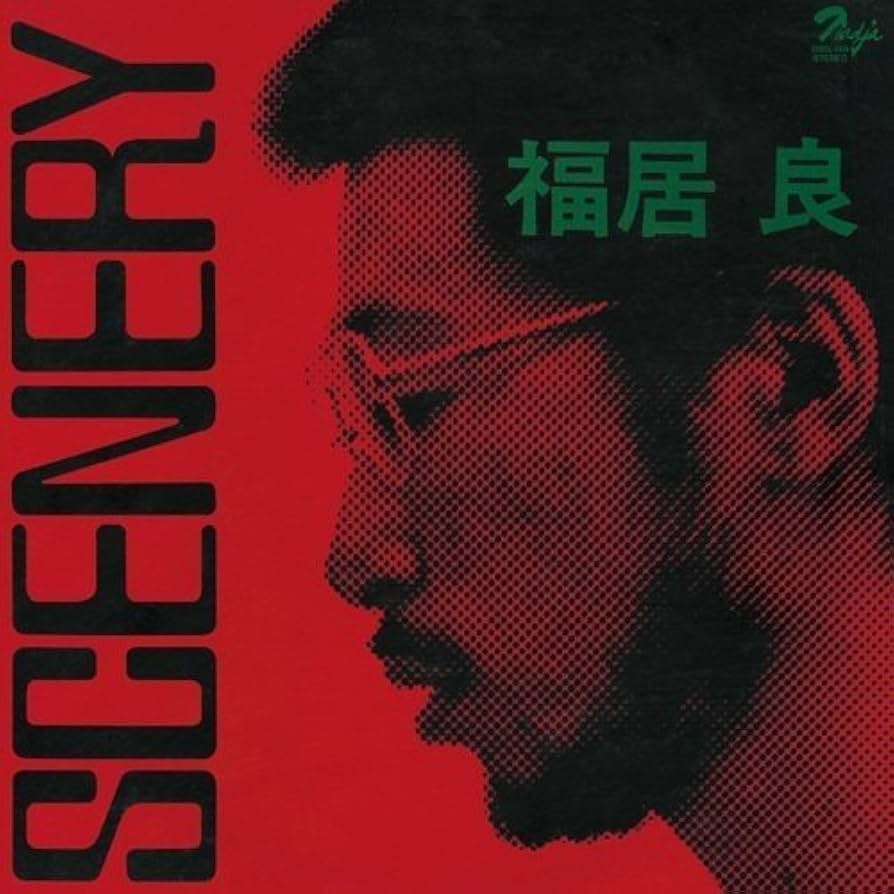
Recorded with bassist Satoshi Denpo and drummer Yoshinori Fukui, Scenery became legendary for its emotional piano work and intimate atmosphere. Ryo Fukui’s playing feels deeply personal: lyrical, raw, and slightly melancholic without ever becoming overly technical. Tracks like “Early Summer” and “Scenery” capture the quiet beauty of 70s Japanese jazz perfectly.
Casiopea – Mint Jams (1982)
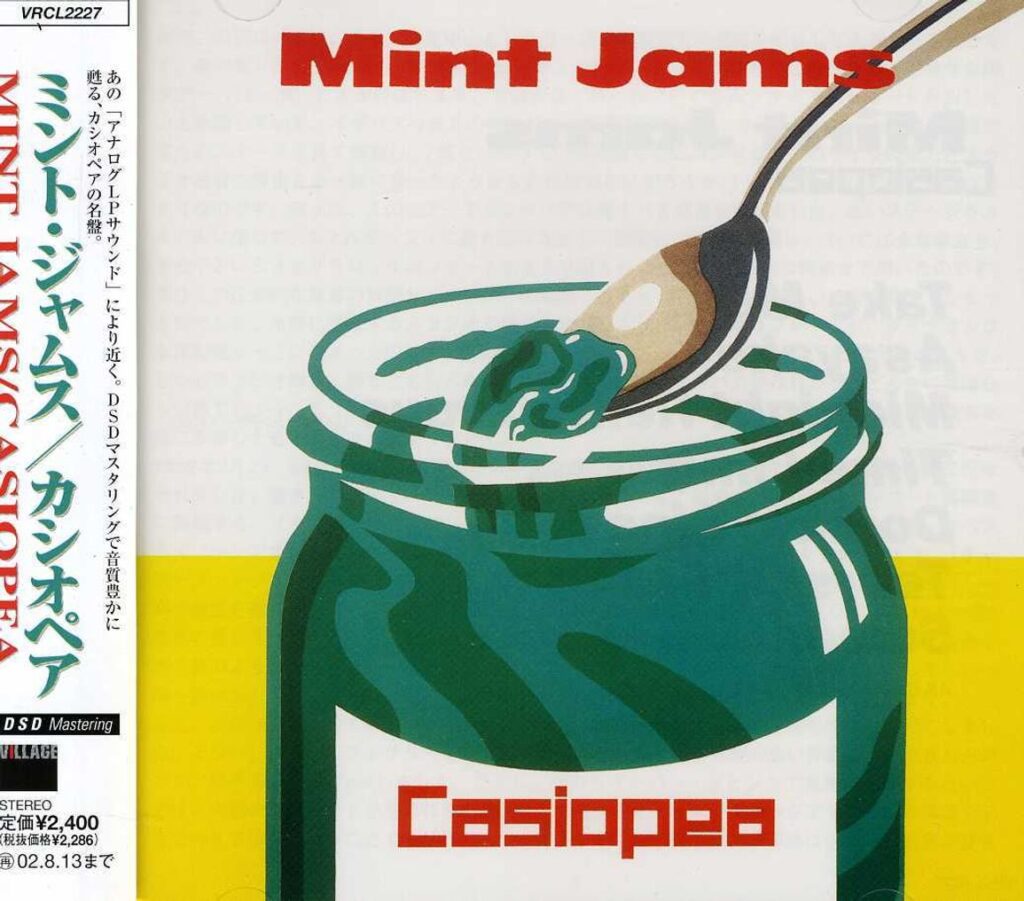
Featuring Issei Noro on guitar, Tetsuo Sakurai on bass, Akira Jimbo on drums, and Minoru Mukaiya on keyboards, Mint Jams is one of the defining jazz fusion albums ever recorded. Although technically a live album, its production quality is very clean. Every instrument sounds crystal clear, making it a favorite among audiophiles and headphone enthusiasts.
Jiro Inagaki & Soul Media – Funky Stuff (1975)
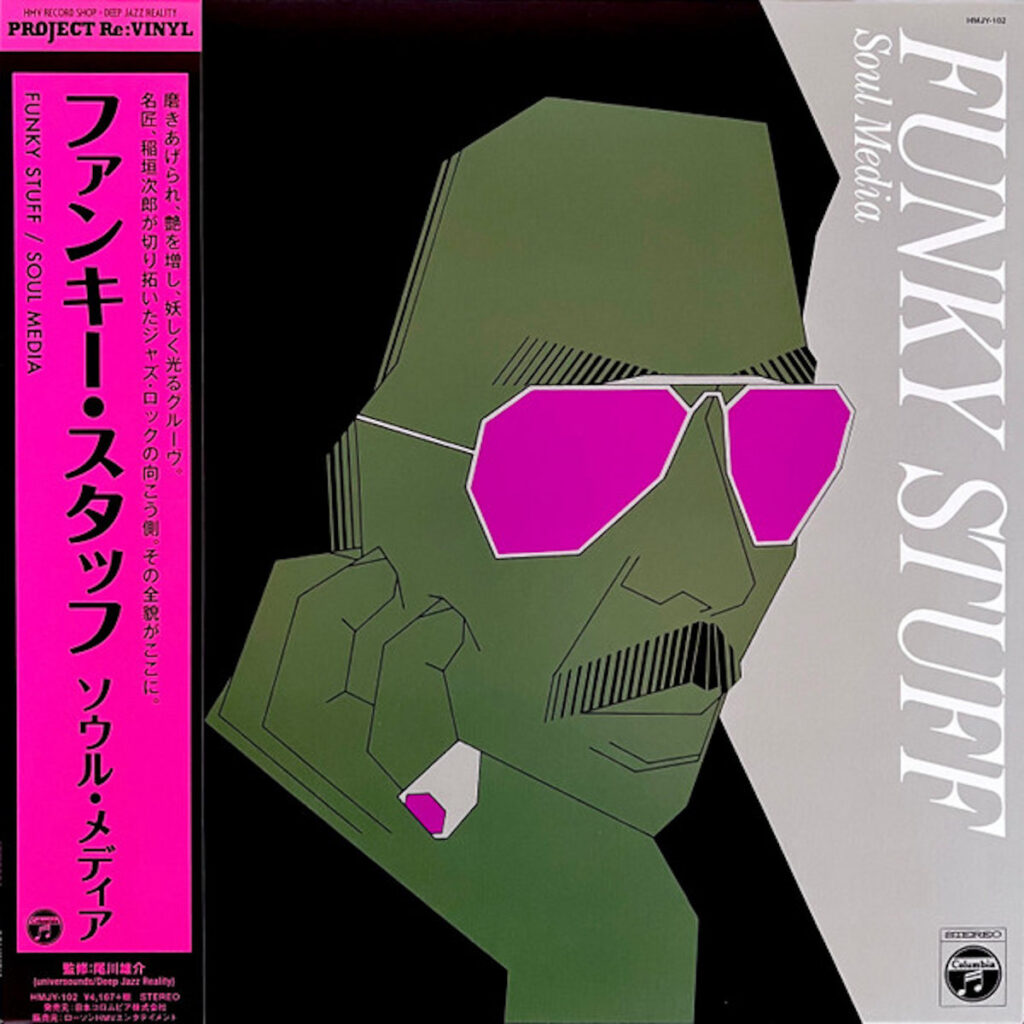
Led by saxophonist Jiro Inagaki, this album combines jazz, funk, and groove-heavy rhythm sections into something interesting and addictive. Soul Media also featured some of Japan’s strongest session musicians of the era, including Hiromasa Suzuki on keyboards and Akira Ishikawa on drums. “Painted Paradise” and the title track remain essential jazz-funk listening.
Hiroshi Suzuki – Cat (1976)
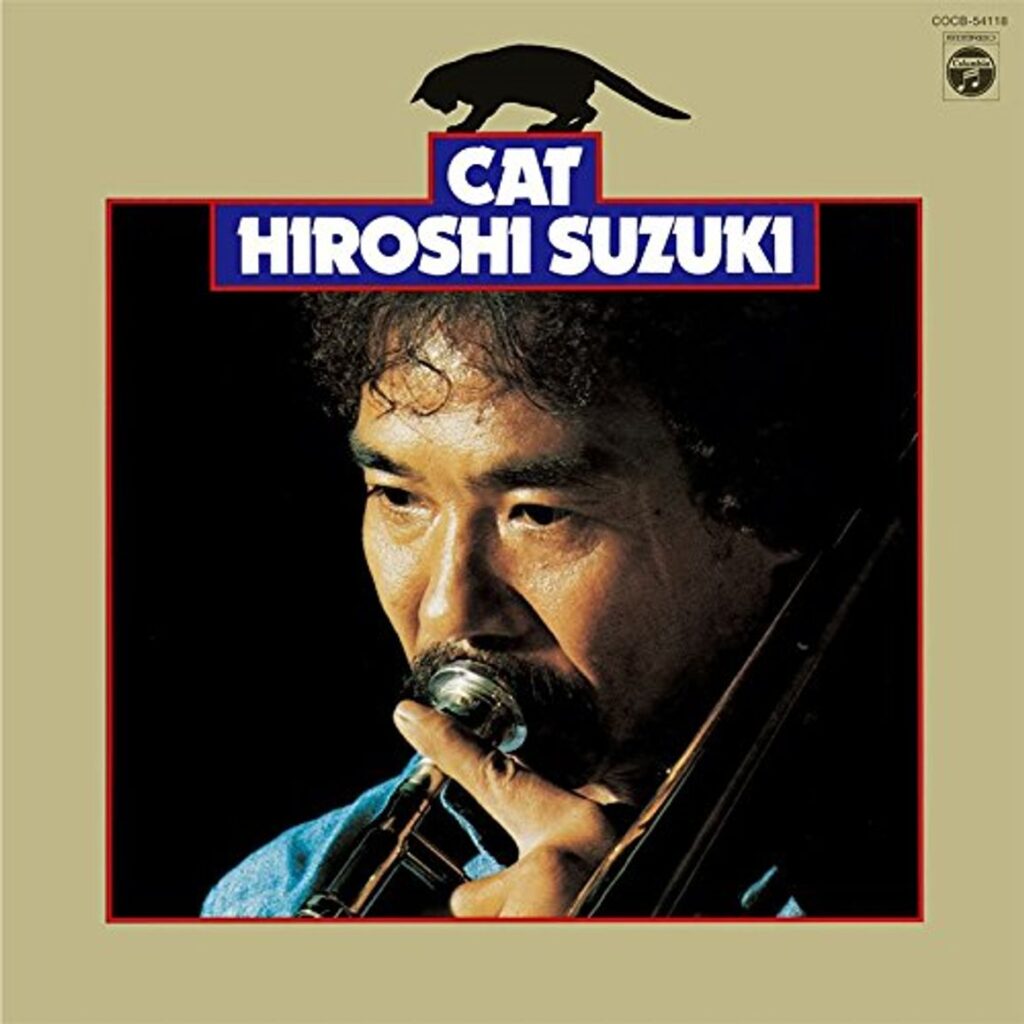
Trombonist Hiroshi Suzuki created one of the smoothest jazz records of the decade with this album. Supported by musicians like Kunihiko Sugano on piano and Isao Suzuki on bass, the album blends modal jazz, soul, and late-night atmosphere beautifully. The sound is warm, spacious, and almost cinematic, especially on tracks like “Romance.”
Tsuyoshi Yamamoto Trio – Midnight Sugar (1974)
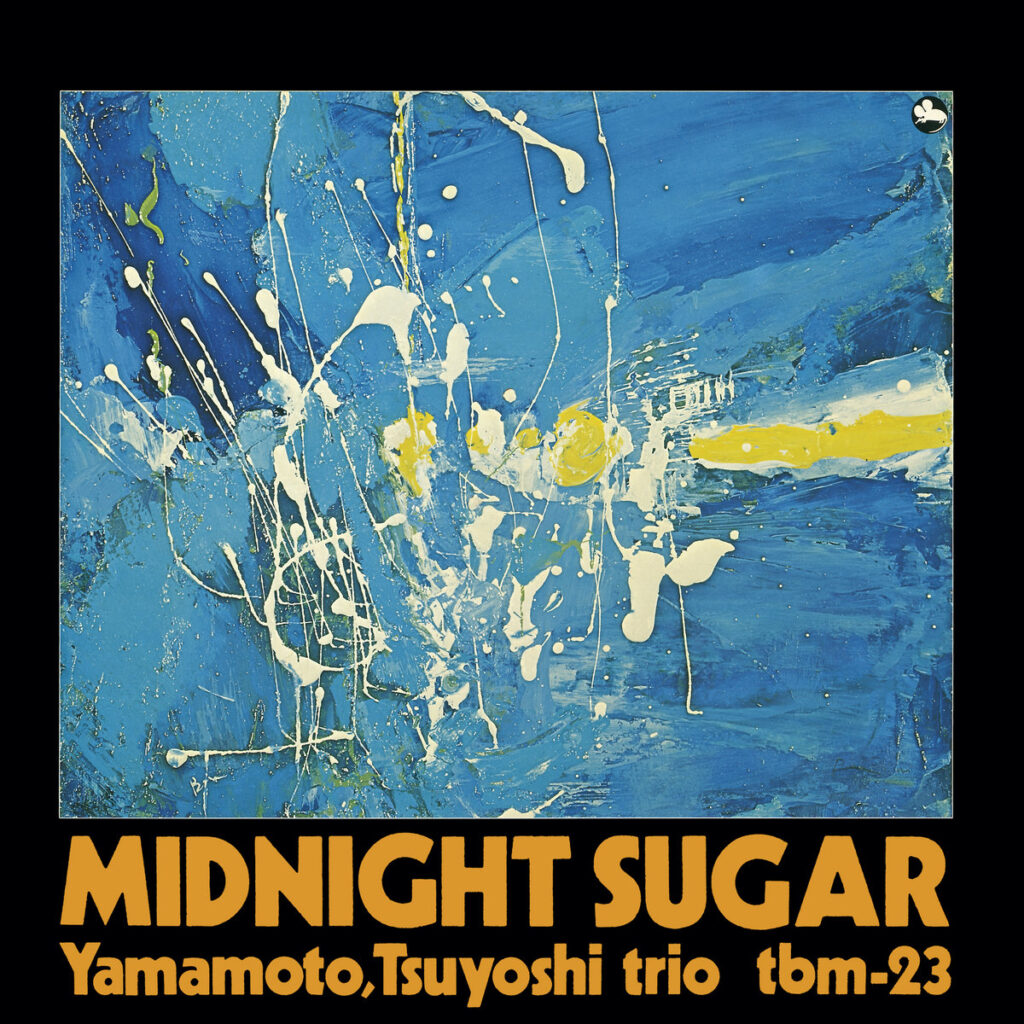
Featuring Tsuyoshi Yamamoto on piano, Tetsujiro Obara on bass, and Toshio Osumi on drums, Midnight Sugar is famous not only for its music but also for its incredible recording quality on the Three Blind Mice label. The trio’s interplay feels natural and effortless, with rich piano tones and exceptional dynamic range throughout the album.
Sadao Watanabe – Orange Express (1981)
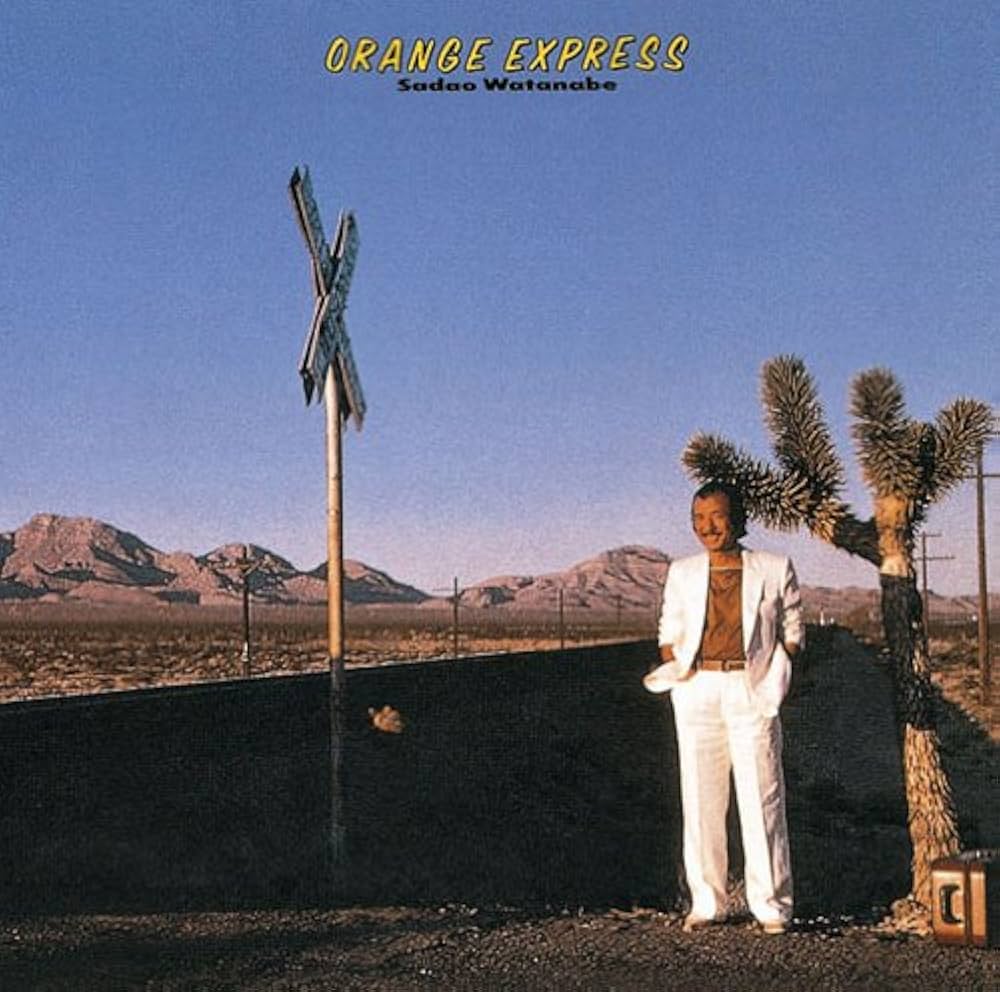
One of the most accessible and joyful Japanese jazz fusion albums. Saxophonist Sadao Watanabe blended jazz with Brazilian rhythms, pop melodies, and smooth fusion arrangements. The album features top-tier session musicians and captures the bright, optimistic energy of early 80s Japanese jazz better than almost anything else.
Hozan Yamamoto & Sharps and Flats – Beautiful Bamboo Flute (1972)
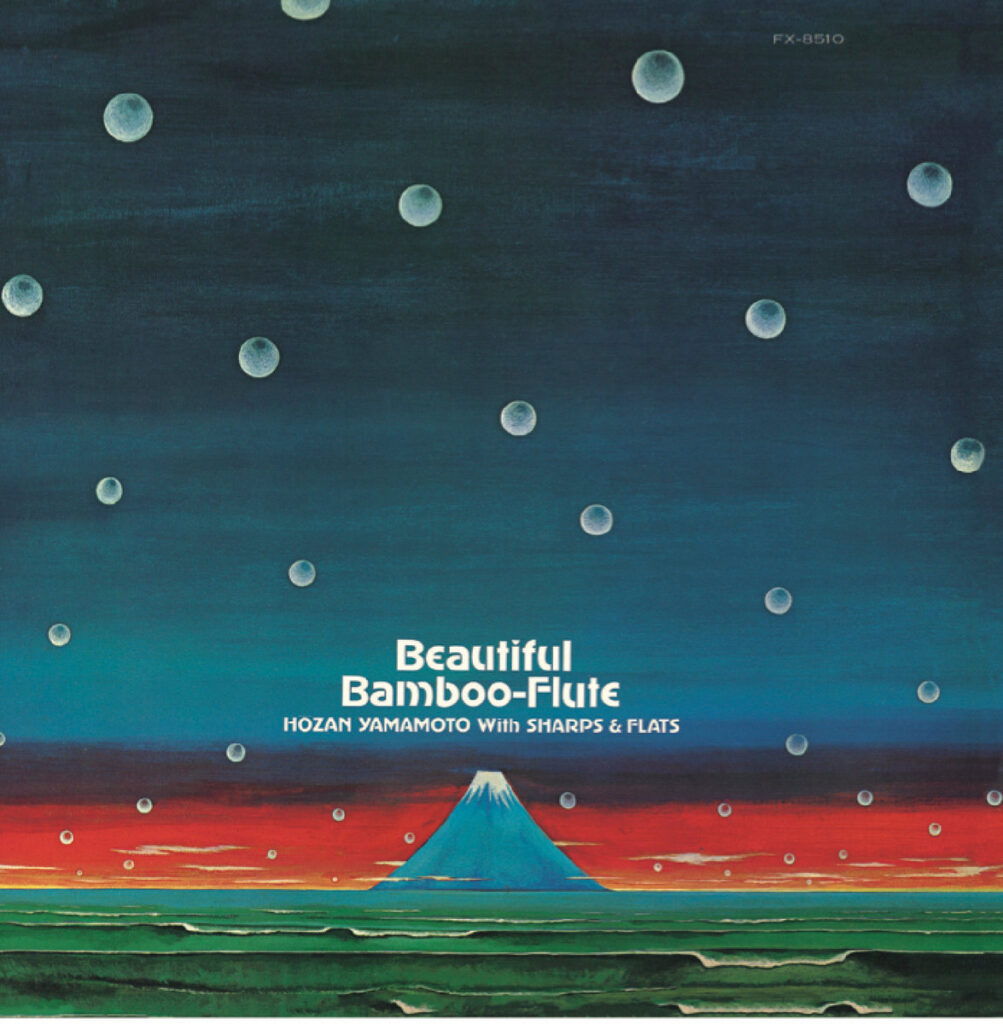
This remarkable collaboration merged traditional Japanese shakuhachi flute with modern big-band jazz arrangements. Hozan Yamamoto’s bamboo flute playing adds a spiritual and distinctly Japanese texture that makes the album feel timeless. It is both experimental and deeply elegant.
Terumasa Hino – Double Rainbow (1976)
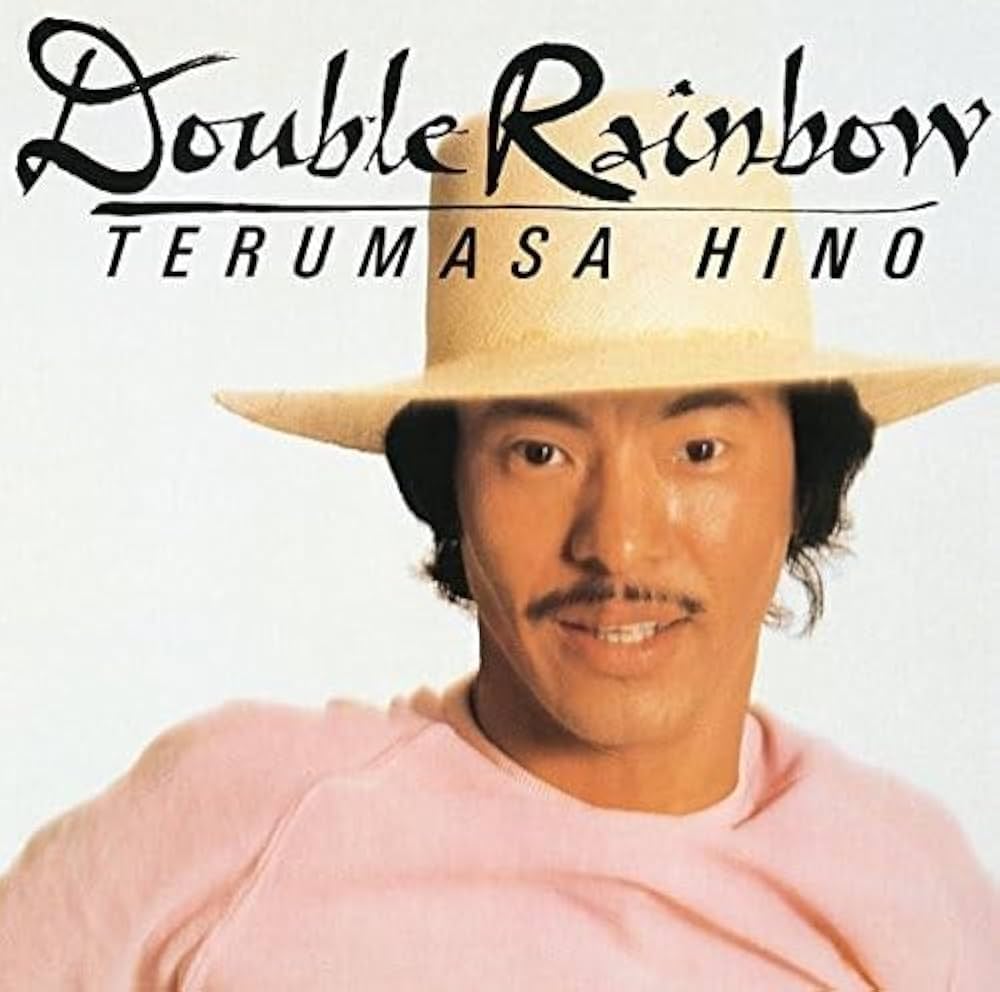
Trumpeter Terumasa Hino brought spiritual jazz influences into the Japanese scene with this expressive and adventurous record. Featuring powerful improvisation, electric instrumentation, and international fusion influences, Double Rainbow balances complexity with emotional depth exceptionally well.
Masayoshi Takanaka – An Insatiable High (1977)
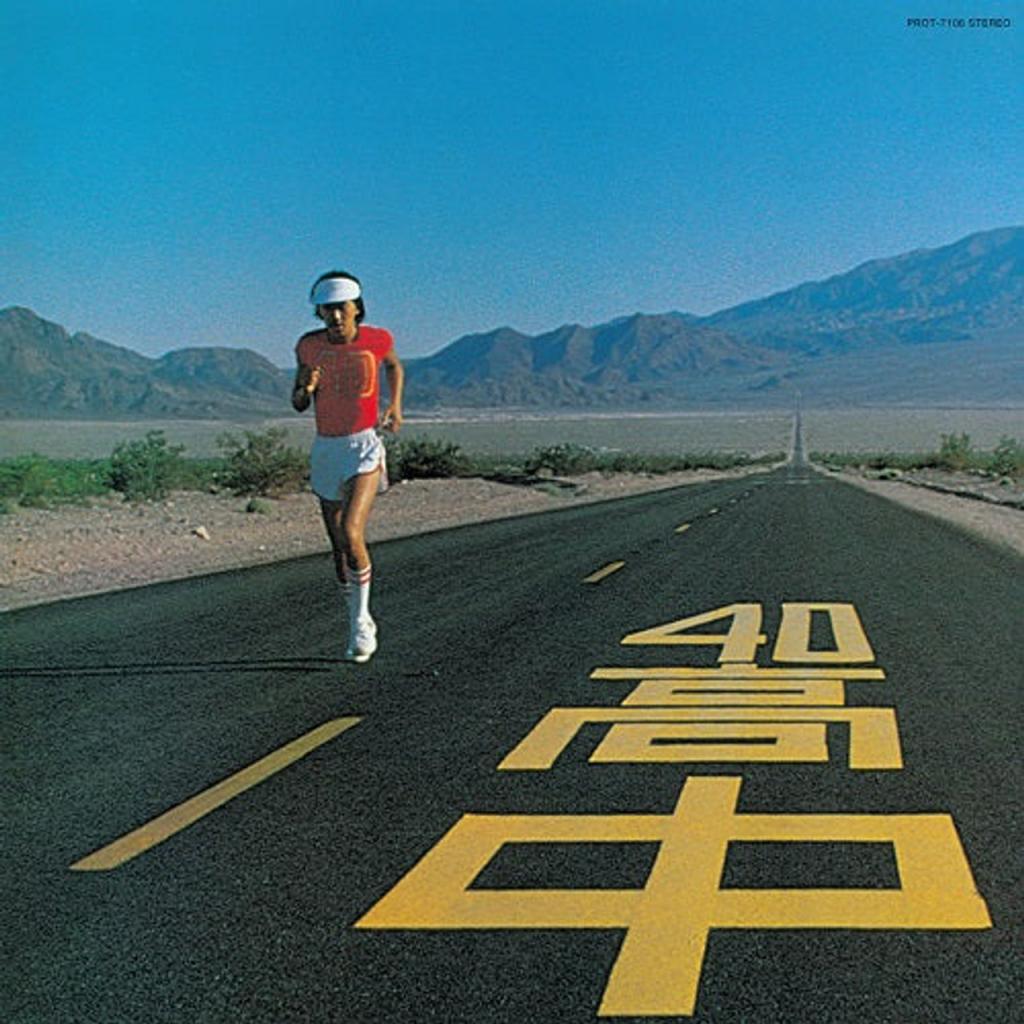
Guitarist Masayoshi Takanaka created one of the happiest sounding fusion albums ever recorded. Featuring participation from renowned American musicians including Harvey Mason and other elite session players, the album mixes jazz fusion, tropical grooves, funk, and bright melodic guitar work into something endlessly uplifting.
Takehiro Honda – This Is Honda (1972)
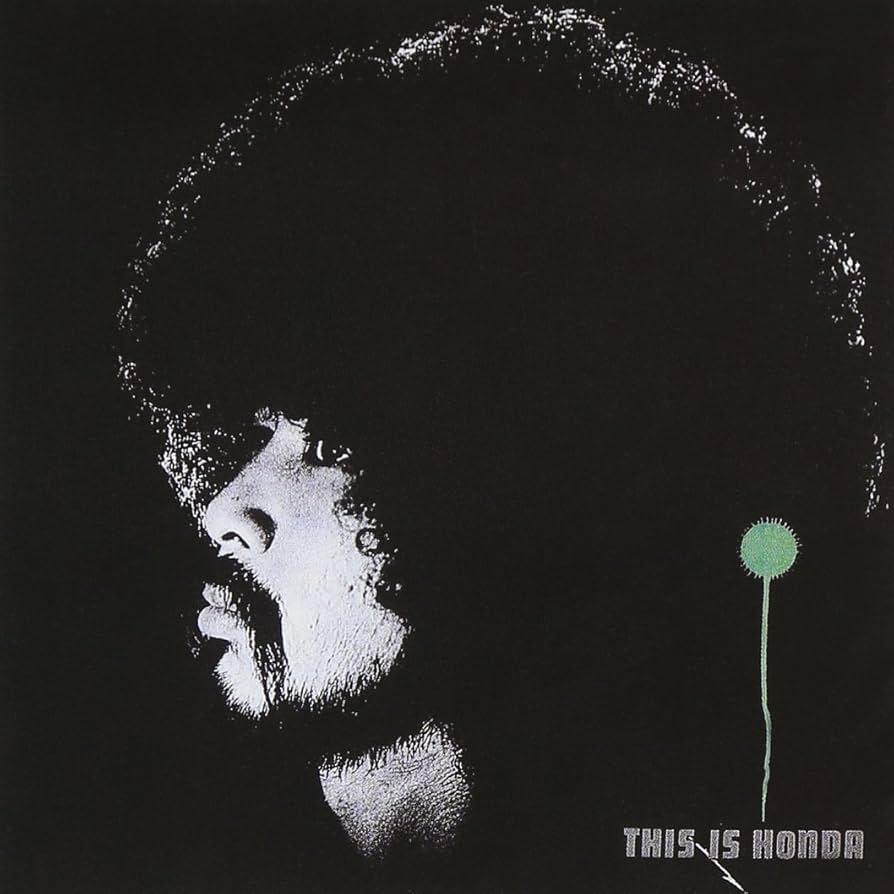
Pianist Takehiro Honda delivered a deep post-bop classic filled with smoky club atmosphere and emotionally rich playing. Supported by exceptional rhythm section work, the album moves between elegant restraint and explosive improvisation. Its warm analog sound continues to attract jazz collectors and audiophiles worldwide.
Japanese jazz rewards careful listening. The more time you spend with these records, the more detail, atmosphere, and emotion you begin to notice. Whether through intimate piano trios, energetic fusion, or experimental arrangements, these albums continue to prove why Japanese jazz remains one of the richest and most fascinating corners of modern music culture.